The 15-Minute Rule: why lead response time is the new currency in tattooing
Beyond the quote: exploring why the first studio to respond often secures the client and how AI tools are bridging the gap in after-hours service


• Generation Z Influence: Digital-native clients prioritize immediacy, forcing a shift in how studios manage communication.
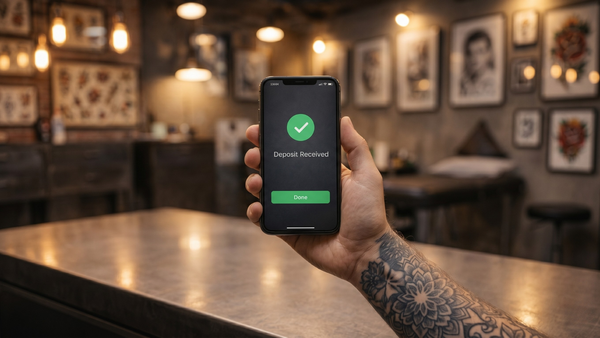
• The Rule of Five: Potential clients typically contact 3 to 5 studios; the fastest professional response usually secures the deposit.
• Conversion Statistics: Leads contacted within 5 minutes are nearly 9 times more likely to convert than those handled after one hour.
• Operational Strategy: Studios must decouple artistic production from lead management through dedicated staff or AI automation.
The global tattoo industry is experiencing a significant shift in consumer expectations, driven largely by the emergence of Gen Z as a primary economic force. This demographic, characterized by its reliance on digital immediacy and the rapid flow of information, is redefining how tattoo studios must approach lead management and customer service.
Key factors such as lead response time, booking efficiency, and digital communication strategies have become central to maintaining a competitive edge in an increasingly saturated market. As studios adapt to these behavioral trends, the necessity of professionalized administrative roles and the implementation of automated solutions becomes more apparent.
A prevalent discussion within the industry is whether tattoo studios should aim to respond to inquiries within a fifteen-minute window. While this may seem aggressive, the rationale is rooted in rigorous sales data and consumer psychology. Research indicates that the probability of qualifying a lead is nearly 9 times higher when the response occurs within the first five minutes compared to a delay of one hour.
In fact, responding within the first minute can increase conversion rates by as much as 391%. Data suggests that individuals researching artists or studios typically request quotes from three to five different providers simultaneously. In this competitive landscape, the studio that responds first gains a significant advantage. Speed of communication, when paired with professional and clear information, significantly increases the probability of conversion.
The economic impact of response latency is best understood through the lens of the Cost Per Acquisition (CPA). If a studio pays $5.00 per lead via digital advertising and maintains a 10% conversion rate, it effectively pays $50.00 to secure one client. However, if delayed responses reduce the conversion probability by the aforementioned factors, the cost to acquire that same client can skyrocket to over $400.00 due to wasted leads.
This makes the 15-minute rule not just a matter of courtesy, but a vital economic necessity for maintaining studio profitability. Although price remains a relevant factor for many clients, the efficiency of the initial interaction often serves as the deciding factor in securing a booking.
For independent tattoo artists, achieving this level of responsiveness presents a logistical challenge, as it is impossible to maintain high-quality artistic work while managing a constant stream of digital inquiries. However, for established tattoo studios, this gap can be bridged by designating a specific professional for customer service and bookings. A dedicated studio manager or receptionist ensures that leads generated through organic search or paid advertising campaigns are handled with the necessary speed, allowing the artists to remain focused on their craft without compromising the studio's commercial performance.
Managing inquiries outside of standard business hours requires a strategic use of technology. Native tools such as WhatsApp Business provide basic solutions through automated greeting and absence messages, ensuring the client receives immediate acknowledgment. Furthermore, advancements in artificial intelligence are introducing more sophisticated options. Meta and other tech providers are implementing AI agents trained to interact with clients based on historical conversation data.
These agents can handle routine questions regarding session pricing or artist specializations. For complex inquiries, such as cover-up evaluations that require human judgment, these systems can be configured to manage expectations by informing the lead that a human representative will follow up shortly.

Implementing immediate automated replies can also streamline the qualification process. A strategic initial response should prompt the lead for essential details, including the design concept, body placement, and approximate size. By collecting this information automatically and instantly, the studio can provide accurate quotes and match the client with the most suitable artist more efficiently. This methodical approach to communication ensures that the studio remains responsive while gathering the data necessary to provide a high level of service.